


Made by: Valeria Olmos Acosta – Grade:1004
Virtual education many times relies on written communication, from messages to our teachers to
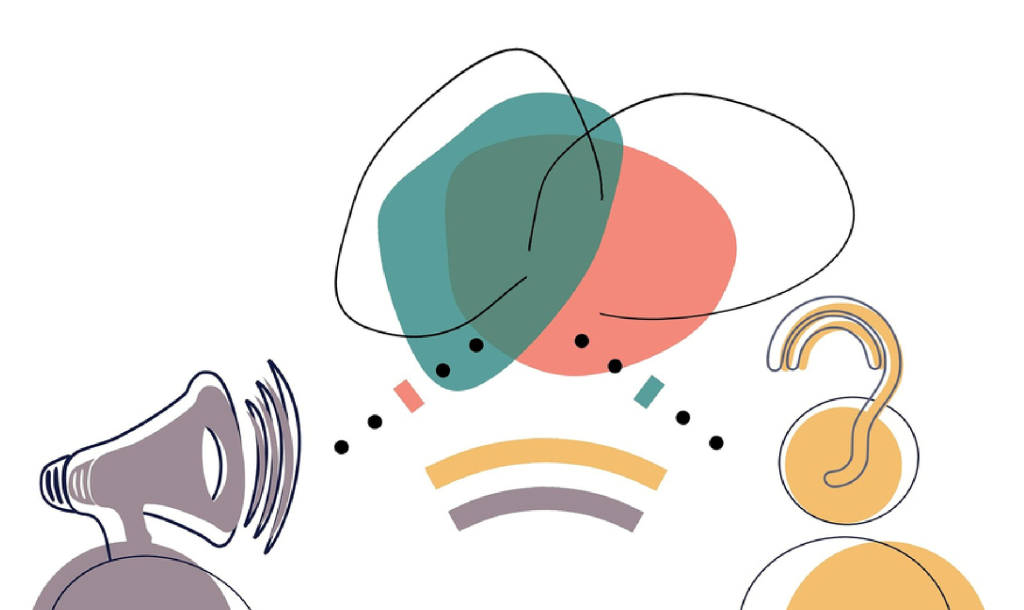
the instructions in an assignment. Written communication helps us give and receive information in easier ways, but many times the absence of non-verbal elements like tone, facial expressions and body language can create differences between what we mean and what others understand. Context can also help reduce misunderstandings.
An example of a misunderstanding:
Phrase: “As I said before…”
-Written communication: Could sound a bit aggressive and impatient.
-Oral communication: A gentle tone and a smiling facial expression sound as someone trying to be helpful.
Tips to prevent a misunderstanding:
If you are the one sending the message, think about using an emoji to help express what you mean with the text you are sending to clarify your to. If you are receiving a message that you don’t understand, try asking the other person questions like: “What do you mean by that?” or “Could you please clarify what you meant?”
In the end, the solution is easy: we must learn to write with the same clarity we have when we speak, because in virtual education, our words become the bridge that connects us.

Brindamos acceso a la educación desde cualquier lugar del mundo.
25 años de experiencia nos posicionan como la mejor opción en educación a distancia y presencial.
Datos de contacto:

© All rights reserved